Hiring a Video Production Company in Singapore: Briefs, Budgets & What to Expect
.png)
Hiring a Video Production Company in Singapore: Briefs, Budgets & What to Expect
Most brands know they need video. The harder part is figuring out how to hire the right team to make it.
Singapore has hundreds of video production companies. Some are full-service production houses. Others are freelancers with a camera and a showreel. The range is wide, and without a clear framework, it’s easy to make decisions based on price alone, or gut feel, or whoever replies fastest.
That approach rarely ends well. Projects go over budget. Timelines slip. The final video looks fine but doesn’t move the needle.
This guide is designed to help you avoid that. Whether you’re a brand marketer commissioning your first video or a marketing lead managing your tenth, you’ll learn how to evaluate production companies, write briefs that actually work, understand what you’re paying for, and build a production relationship that delivers consistent results.
We’ll cover the full business side of working with a production company in Singapore, from scoping and budgeting through to long-term partnerships and where the industry is heading. If you’re looking for a breakdown of the creative and technical production process itself, start with our complete guide to video production in Singapore.
Table of Contents
- How Do You Choose the Right Video Production Company in Singapore?
- How Do You Write a Video Production Brief That Gets Results?
- How Much Does It Cost to Hire a Video Production Company in Singapore?
- What Should You Expect During the Production Process?
- Should You Hire a Production Partner or Use a One-Off Vendor?
- How Is the Video Production Industry in Singapore Changing?
- Ready to Find the Right Production Partner? Start Here
How Do You Choose the Right Video Production Company in Singapore?
The right video production company doesn’t just deliver footage. It understands your goals, communicates clearly, and becomes a creative partner you can rely on project after project.
Singapore’s production market includes everything from solo freelancers to full-service production houses with in-house directors, producers, and post-production teams. The range is wide, which makes evaluation harder if you don’t know what to look for beyond the showreel.
What should you look for beyond the showreel?
A strong portfolio gets your attention. But it shouldn’t be the only thing driving your decision.
Look at how the work connects to a clear business outcome. Did the video help launch a product, shift brand perception, or support a campaign with measurable results? The best production companies frame their work around what it achieved, not just how it looked.
Pay attention to the technical details too. Is the lighting consistent? Is the sound clean? Does the pacing hold your attention? These are signs of a team that controls every stage of the process, from pre-production planning through to final delivery. According to Wyzowl’s 2026 State of Video Marketing report, 89% of consumers say video quality directly affects how much they trust a brand. That means production standards aren’t just about aesthetics. They shape credibility.
Also ask for client references. A quick conversation with a past client reveals things a portfolio can’t: how the team handles pressure, whether they meet deadlines, and how they manage feedback.
What’s the difference between a production house and a creative agency?
This distinction matters because it affects what you’re paying for and who’s doing the work.
A creative agency typically handles strategy, branding, and campaign planning. They may conceive the idea and write the brief, then outsource the actual filming and editing to a production house. A production house specialises in execution: directing, filming, editing, colour grading, sound design, and delivery.
Some companies, like Epitome Collective, operate as hybrid partners, combining creative direction with full production capability. This means fewer handoffs, tighter alignment between concept and execution, and usually a more efficient process. If you’re evaluating vendors, ask directly: will the team that develops the concept also be the team on set?
What are the red flags when hiring a video vendor?
Not every production company operates the same way. Here are warning signs to watch for:
- No discovery or strategy conversation before quoting. If they jump straight to price without asking about your goals, audience, or distribution plan, that’s a concern.
- A single-line quote with no breakdown. You should be able to see how much is going to pre-production, crew, equipment, post-production, and licensing.
- No clear revision process. Without a structured feedback workflow, projects stall or spiral.
- No examples of work in your industry or format. A company that only produces event recaps may not be the right fit for a brand film.
- Vague timelines. If they can’t tell you when to expect a rough cut or how many revision rounds are included, expect delays.
We’ve covered these in more depth in our guide to the common mistakes brands make when hiring a video production company in Singapore.
How Do You Write a Video Production Brief That Gets Results?
A strong brief is the single most important document in any video project. It aligns your team, your stakeholders, and your production partner on what the video needs to achieve, who it’s for, and how it should feel.
Without one, production companies are guessing. And guessing leads to misaligned concepts, wasted revision rounds, and a final video that doesn’t land.
What should a good brief include?
A brief doesn’t need to be long. It needs to be clear. At minimum, it should cover:
- Objective. What is this video supposed to do? Drive awareness, generate leads, support a product launch, recruit talent? One video, one primary goal.
- Audience. Who is watching? Be specific. ‘Everyone’ is not a target audience. A CFO evaluating vendors watches differently from a consumer scrolling Instagram.
- Key messages. What should the viewer understand or feel after watching? Limit this to two or three points. More than that and nothing sticks.
- Tone and style. Polished and corporate? Raw and authentic? Cinematic and emotional? Include visual references or links to videos you admire. This saves hours of misalignment later.
- Platform and format. Where will this video live? A 60-second LinkedIn ad has a completely different structure from a 3-minute brand film on your website.
- Timeline and budget range. Even a ballpark helps the production team scope a realistic concept instead of pitching ideas you can’t afford.
- Mandatory inclusions. Brand guidelines, legal disclaimers, subtitles, specific talent, or footage that must appear.
The Content Marketing Institute recommends treating your brief as a strategic document, not an administrative one. The more clarity you provide upfront, the less time and money gets lost to revisions downstream.
We’ve written a deeper guide on this topic: how to write a video production brief that actually works.
How do you align creative vision with business goals?
This is where many projects go sideways. The marketing team wants something ‘bold and creative.’ The sales team wants product features front and centre. Leadership wants it to ‘feel premium.’ Everyone has a different picture in their head, and the production company is left trying to satisfy all of them.
The fix is simple: align before you brief.
Before engaging a production partner, get your internal stakeholders into one room (or one call) and agree on three things: the primary objective, the target audience, and the single most important message. Everything else is secondary.
A good production partner will also push you on this. They’ll ask why the video matters, what success looks like, and where it fits in your broader brand storytelling strategy. If they don’t ask these questions, they’re focused on output, not outcomes.
The strongest videos come from teams that treat creative direction as a shared discipline, not something you hand off and hope for the best. When the business goal is clear, creative decisions become easier. The concept, the tone, the pacing, even the music, all have a reason behind them.
How Much Does It Cost to Hire a Video Production Company in Singapore?
There’s no single answer. Video production costs in Singapore range from a few thousand dollars for a simple talking-head video to six figures for a large-scale commercial with talent, multiple locations, and complex post-production.
The real question isn’t ‘how much does it cost?’ It’s ‘what am I paying for, and is the scope right for my goals?’
What are the main cost drivers in a video production quote?
Every production quote is shaped by a handful of variables. Understanding them helps you evaluate proposals with confidence instead of just comparing bottom-line numbers.
The biggest cost drivers are:
- Crew size and seniority. A two-person team costs less than a full crew with a director, DOP, gaffer, sound recordist, stylist, and production assistants. The level of experience matters too. A senior director with a strong commercial reel commands a higher rate than a junior filmmaker.
- Shoot days. More days means more crew fees, equipment rental, location costs, and catering. One well-planned shoot day often delivers more than two poorly scoped ones.
- Locations. Studio shoots offer control but come with rental fees. Public locations in Singapore often require permits from agencies like the Urban Redevelopment Authority (URA) or the Land Transport Authority (LTA), which add lead time and sometimes cost.
- Talent. Professional actors, voiceover artists, or presenters add to the budget. Using real employees or customers can reduce this, but requires more direction on set.
- Post-production complexity. A straightforward edit with basic graphics is very different from a project requiring motion graphics, 3D animation, custom sound design, colour grading, and multiple format deliverables.
- Licensing. Music, stock footage, and voiceover usage rights are often overlooked. Some production companies include licensing in their quote. Others don’t, and the cost appears later.
How should you compare quotes from different production companies?
Ask every production company to itemise their proposal. A professional quote should break down pre-production, production, and post-production as separate line items with clear deliverables under each.
When you’re comparing two or more quotes, look at scope, not just price. A S$15,000 quote that includes concept development, one shoot day with a full crew, editing, colour grading, sound mix, and three format deliverables is very different from a S$8,000 quote that covers filming only, with post-production billed separately.
Watch for these gaps when reviewing proposals:
- Are revision rounds specified? How many are included?
- Is music licensing included or quoted as an extra?
- Are deliverable formats listed (16:9, 9:16, square, with and without subtitles)?
- Is there a line item for project management and coordination?
If a quote feels unusually low, it probably is. According to HubSpot’s 2026 marketing data, 91% of businesses now use video as a marketing tool, and most allocate a third of their budget or less to video content. That means every dollar needs to work hard, and a cheap quote that leads to reshoots or a mediocre result is the most expensive option of all.
How can you maximise ROI without cutting corners?
Smart budgeting isn’t about spending less. It’s about spending in the right places.
Start by matching your production scale to your distribution plan. A high-end cinematic brand film makes sense if it’s the centrepiece of a major campaign. But if you need 10 social clips for a monthly content calendar, a streamlined production setup with a smaller crew will stretch the same budget further.
Other ways to get more from your investment:
- Bundle multiple videos into one shoot. Fixed costs like crew, equipment, and location fees are spread across more assets.
- Plan cutdowns and re-versions from the start. A single long-form shoot can produce a hero video, social edits, interview soundbites, and behind-the-scenes content if planned in advance.
- Invest in pre-production. The cheapest way to avoid costly mistakes is to plan thoroughly before the camera rolls. A clear brief, a locked script, and a detailed shot list prevent wasted time on set.
- Build a long-term relationship. Production partners who know your brand, tone, and approval process work faster and deliver more consistent results than a new vendor learning everything from scratch.
For a deeper look at how the full production process works, including detailed cost breakdowns, see our complete guide to video production in Singapore.
What Should You Expect During the Production Process?
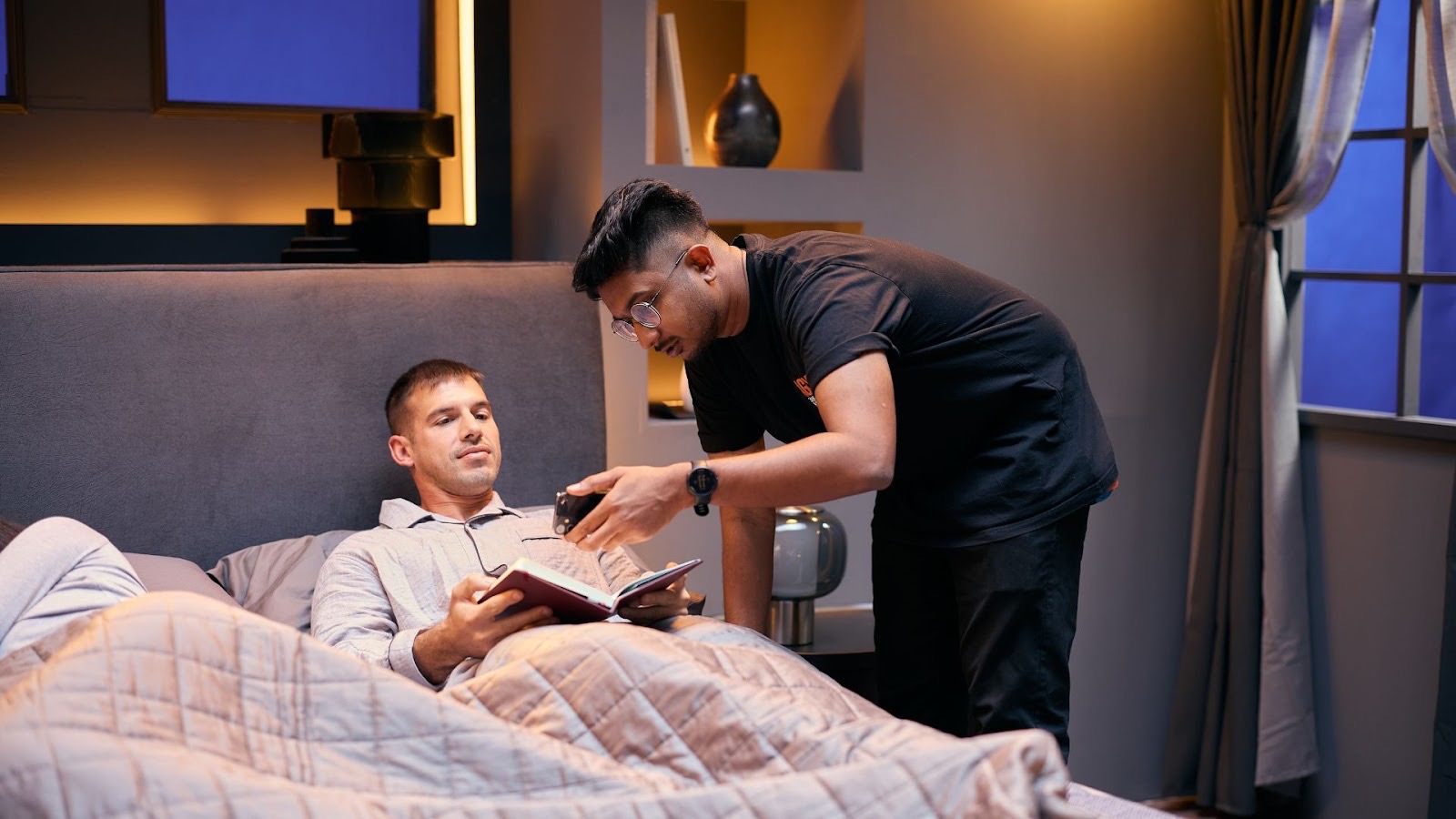
Once you’ve chosen a production partner and signed off on a concept, the project moves into execution. This is where planning meets reality, and where clear communication makes the biggest difference.
Most video projects in Singapore follow a three-phase structure: pre-production, production, and post-production. The timeline varies depending on complexity, but understanding what happens at each stage helps you manage expectations and avoid unnecessary delays.
What does a typical production timeline look like?
Timelines depend on the scale of the project. A simple interview-style video might take three to four weeks from brief to delivery. A multi-location brand film with talent, scripting, and motion graphics could take eight to twelve weeks or more.
Here’s a general breakdown:
- Pre-production (1–4 weeks). This covers briefing, concept development, scriptwriting, storyboarding, location scouting, casting, permits, and logistics planning. It’s the most important phase for preventing problems later.
- Production (1–3 days for most projects). The actual shoot. Crew, equipment, talent, and locations are coordinated according to a detailed call sheet. Most corporate and brand videos in Singapore are filmed in one to two days.
- Post-production (2–6 weeks). Editing, colour grading, sound design, motion graphics, music licensing, subtitling, and format delivery. This phase includes structured feedback rounds between your team and the editor.
A common misconception is that post-production should be fast because ‘it’s just editing.’ In reality, it’s often the longest phase. Assembly, revisions, graphics, sound, and final mastering all take time, especially when multiple stakeholders are reviewing the work.
How do you manage revisions and avoid scope creep?
Scope creep is one of the most common reasons video projects go over budget and past deadline. It usually starts small: an extra interview added on shoot day, a new scene requested after the rough cut, a last-minute change to the script that requires re-editing three sections.
The best way to prevent it is to lock your scope early and stick to it.
A good production partner will define the revision process upfront. This typically means:
- A set number of revision rounds (usually two to three) included in the quote.
- A clear feedback workflow using time-stamped tools like Frame.io so comments are precise and actionable.
- Defined cut-off points. After the fine cut is approved, changes to structure or messaging are treated as additional scope.
On your side, the most helpful thing you can do is consolidate feedback. Collect input from all internal reviewers and submit it as one set of notes per round, not a stream of individual emails over several days. This alone can shave days off the timeline.
According to the Project Management Institute, scope creep affects nearly half of all projects across industries. Video production is no different. Define the boundaries early and you’ll stay on track.
Why does clear communication matter so much in production?
Video production involves a lot of moving parts: creative teams, clients, talent, locations, equipment, and deadlines all intersecting at once. When communication breaks down, things fall through the cracks.
The most efficient projects share a few traits:
- One decision-maker on the client side. Multiple approvers with conflicting feedback slow everything down. Assign a single point of contact who can consolidate input and sign off.
- Regular check-ins at key milestones. Don’t disappear after the brief and reappear at the rough cut. Stay engaged during concept development and pre-production so there are no surprises.
- Written confirmation at each stage. Approved scripts, signed-off storyboards, and confirmed shot lists create a clear record. If something changes later, both sides know exactly what was agreed.
A production partner who communicates proactively, flagging risks, confirming timelines, and keeping you updated without you having to chase, is worth more than one who simply delivers technically competent footage.
Should You Hire a Production Partner or Use a One-Off Vendor?
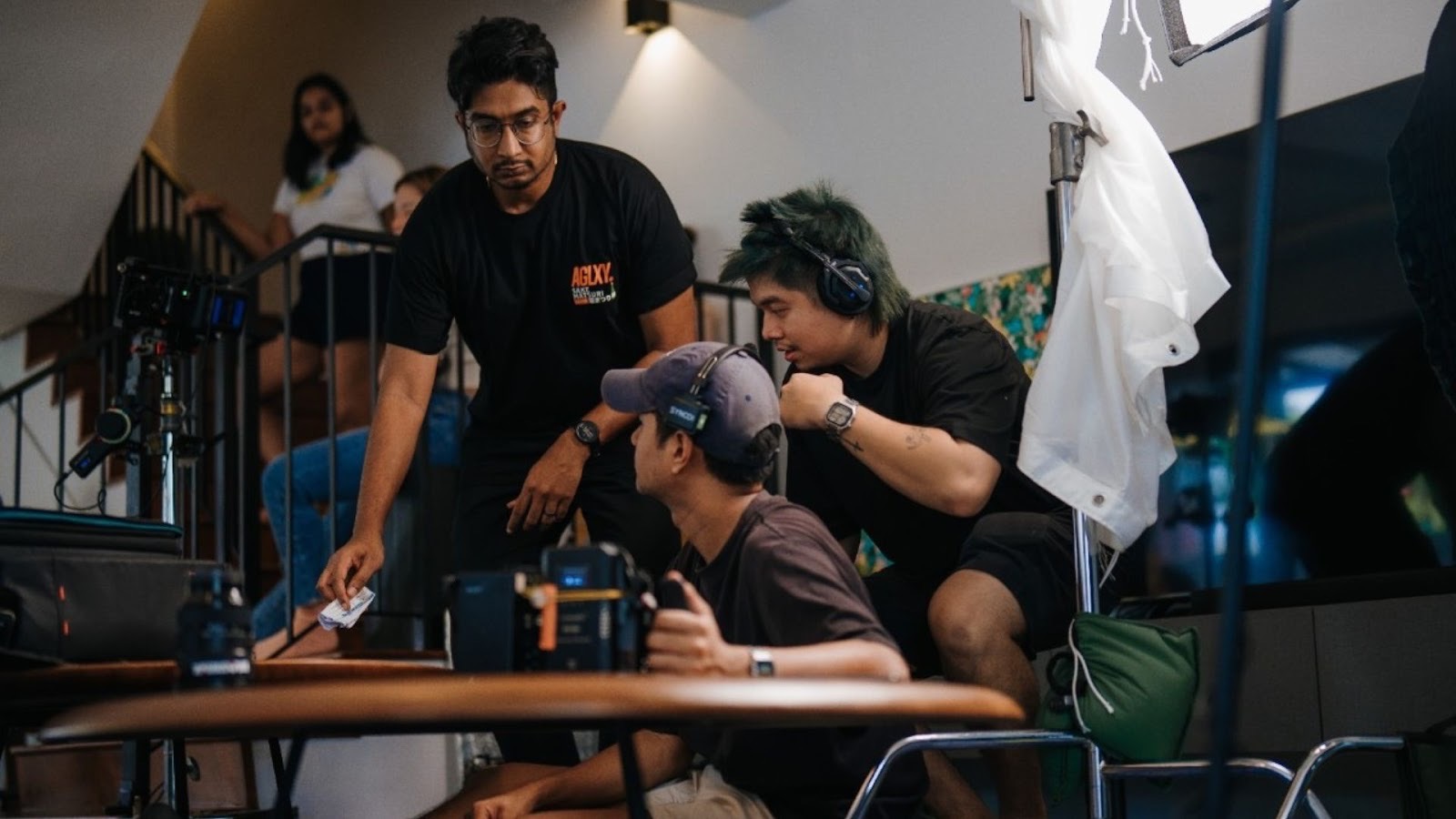
This is one of the most overlooked decisions in video production. Most brands treat every project as a standalone engagement: write a brief, get quotes, pick a vendor, deliver the video, move on. Then they repeat the whole cycle six months later with a different company.
It works, but it’s not efficient. And over time, it costs more than the alternative.
What’s the real cost of switching vendors every project?
Every time you hire a new production company, you’re paying for a learning curve. The new team needs to understand your brand, your tone of voice, your approval process, your internal stakeholders, and your expectations around quality. That takes time, and time in production is money.
There are also hidden costs that don’t show up on the invoice:
- Inconsistent quality. Different crews shoot and edit differently. Your brand’s visual identity can drift from one project to the next.
- Repeated briefing. You’re explaining the same brand guidelines, do’s and don’ts, and distribution requirements from scratch each time.
- Slower turnaround. A new vendor doesn’t know your feedback style or revision preferences. Rounds take longer because both sides are still learning how to work together.
- Lost institutional knowledge. A partner who has filmed with you before knows what worked, what didn’t, and what your leadership responds well to. A new vendor starts from zero.
For brands producing two or more videos a year, these inefficiencies add up quickly.
How do long-term partnerships improve creative output?
The creative benefits of continuity are significant. When a production team knows your brand deeply, they stop executing to a brief and start thinking ahead of it.
A retained production partner can:
- Spot opportunities to repurpose footage across campaigns before you ask.
- Suggest formats and approaches based on what’s performed well in past projects.
- Challenge your brief constructively because they understand your goals well enough to push back.
- Maintain visual and tonal consistency across all your video content, regardless of format or platform.
Research from Harvard Business Review on client-agency relationships consistently shows that long-term partnerships outperform transactional vendor engagements on both creative quality and business outcomes. The principle holds true in production: familiarity breeds better work, not complacency.
This is also where production partnerships connect to broader brand storytelling strategy. A consistent production partner becomes a custodian of your brand’s visual language, ensuring every piece of content reinforces the same story over time.
What should you look for in a retained production partner?
Not every production company is built for ongoing partnerships. Some are project-based by design. When evaluating a potential long-term partner, look for:
- A structured process. They should have clear workflows for briefing, production, feedback, and delivery that can be repeated efficiently across projects.
- Strategic thinking. They don’t just ask ‘what do you want?’ They ask ‘why does this matter and how does it fit into your bigger picture?’
- Flexible capacity. They can scale up for a major campaign or scale down for a quick social content shoot without sacrificing quality.
- Proactive communication. They flag risks, suggest improvements, and keep you informed without you having to chase.
- Cultural fit. You’ll be working closely with these people. Shared values and mutual respect make the collaboration smoother and the creative output stronger.
The best production relationships feel less like a client-vendor dynamic and more like an extension of your marketing team.
How Is the Video Production Industry in Singapore Changing?
The video production industry isn’t standing still. Technology, client expectations, and commercial models are all shifting, and brands that understand these changes will make smarter decisions about how they invest in video.
Two trends, in particular, are reshaping how production companies operate and how clients should think about the relationship.
How are AI and automation affecting production budgets?
AI is already changing the economics of video production. Not by replacing creative professionals, but by accelerating the parts of the workflow that used to be slow and expensive.
In post-production, AI tools now assist with tasks like rough-cut assembly, auto-captioning, colour matching, and audio cleanup. According to a McKinsey report on AI in film and TV production, early experimentation is already showing productivity gains in specific use cases, though the longer-term implications are still unfolding.
What does this mean for brands commissioning video?
In practical terms, AI is helping production companies deliver faster without compromising quality. Editing timelines are getting shorter. Versioning for multiple platforms is becoming more efficient. And some pre-production tasks, like initial storyboarding or script drafting, can be accelerated with AI-assisted tools.
But AI doesn’t replace the strategic and creative thinking that makes a video effective. A tool can generate captions or suggest edits. It can’t define your brand’s tone of voice, direct talent on set, or make the narrative choices that turn footage into a story. The companies worth hiring are the ones using AI to enhance their craft, not to cut corners.
For context, Wyzowl’s 2026 State of Video Marketing survey found that 63% of video marketers have used AI tools for video creation or editing, up from 51% the previous year. Adoption is accelerating, but the role of skilled human direction remains central.
Why are transparency and collaboration becoming the industry standard?
The old model of video production was opaque. Clients handed over a brief, waited weeks, and received a rough cut with little visibility into the process in between. If the result missed the mark, the feedback loop was slow and expensive.
That model is fading. The best production companies now operate with full transparency at every stage.
This looks like:
- Itemised quotes that show exactly where the budget is going.
- Shared project timelines with milestones and review dates.
- Collaborative feedback tools like Frame.io that let clients comment directly on footage with frame-level precision.
- Regular check-ins during pre-production and post-production, not just at delivery.
Clients are also demanding more strategic involvement from their production partners. A 2026 Artlist survey of 6,500 creative professionals found that 87% now use AI tools in their workflow, but the competitive advantage has shifted from production capability to creative direction and strategic thinking. In other words, the value isn’t just in making the video. It’s in making the right video.
For brands in Singapore, this means the production companies that will thrive are those that combine creative excellence with operational transparency. They share their process, involve clients at the right moments, and treat every project as a collaboration rather than a transaction.
This shift aligns closely with how we think about video marketing strategy: production is only valuable when it’s connected to a clear strategic purpose.
Ready to Find the Right Production Partner? Start Here
Hiring a video production company in Singapore doesn’t have to be complicated. But it does require clarity: clarity on what you want to achieve, who you’re speaking to, and what kind of partner will help you get there.
If you’ve read this far, you already have a strong foundation. You know how to evaluate a production company beyond the showreel. You understand what a good brief looks like and why it matters. You can read a production quote with confidence. And you know the difference between a transactional vendor and a long-term creative partner.
The next step is to start the conversation.
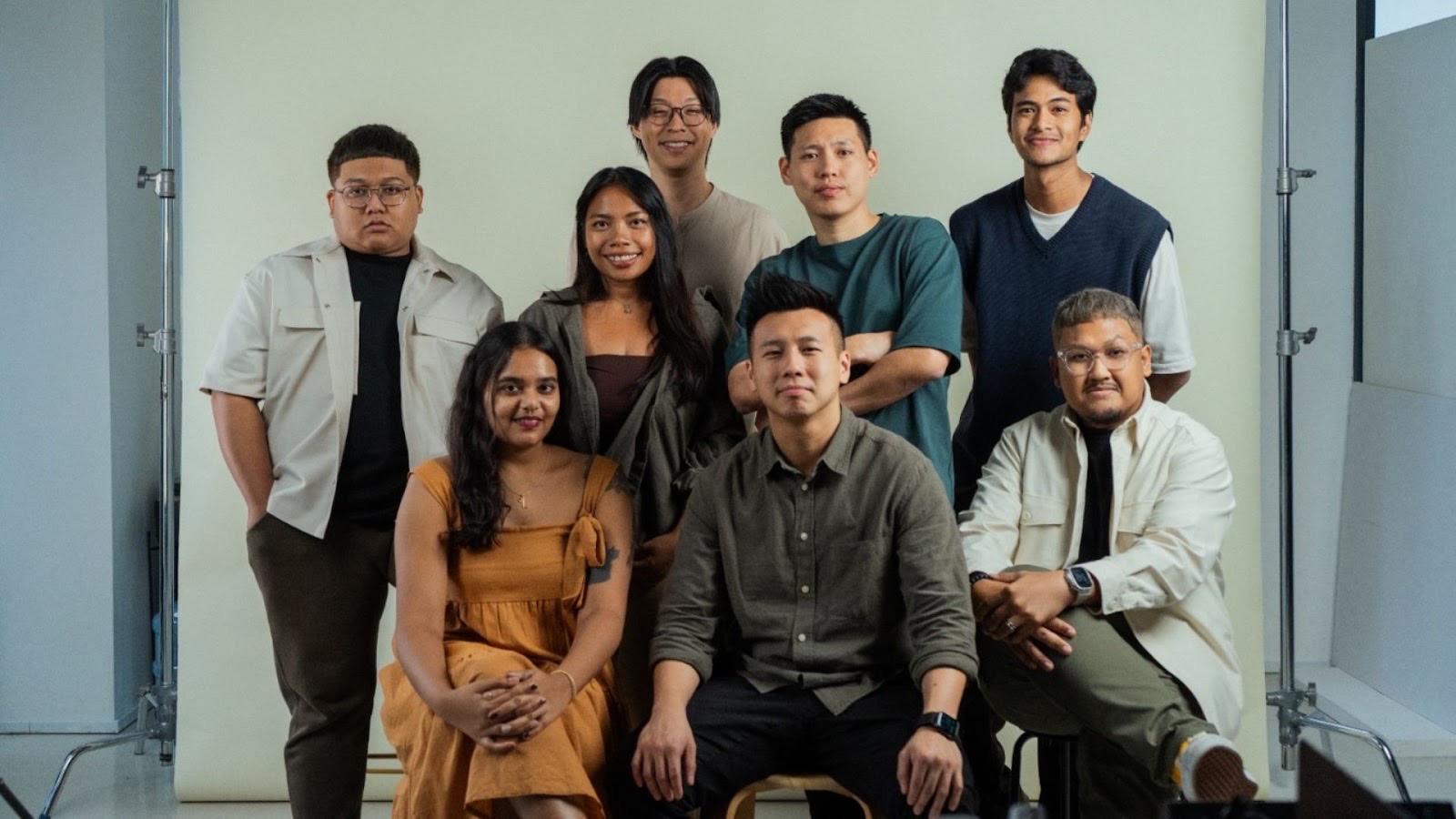
At Epitome Collective, we work with brands, agencies, and marketing teams across Singapore to produce video content that connects strategy with story. From brand films and corporate videos to social content and commercial campaigns, every project starts with the same question: what does this video need to achieve?
If you’re planning a video project and want a production partner who’s transparent, strategic, and creatively driven, get in touch with our team. We’ll help you scope the right approach, whether it’s a single project or an ongoing content partnership.
And if you’re still in the research phase, these guides are a good next step:
- Singapore Video Production 101: Process, Pricing & Picking the Right Partner
- Video Marketing Strategy for Brands in Singapore
- How to Write a Video Production Brief That Actually Works