Inside a Production Set: Essential Equipment and Setups You Should Know
What Actually Happens Behind the Scenes of a Professional Video Shoot?
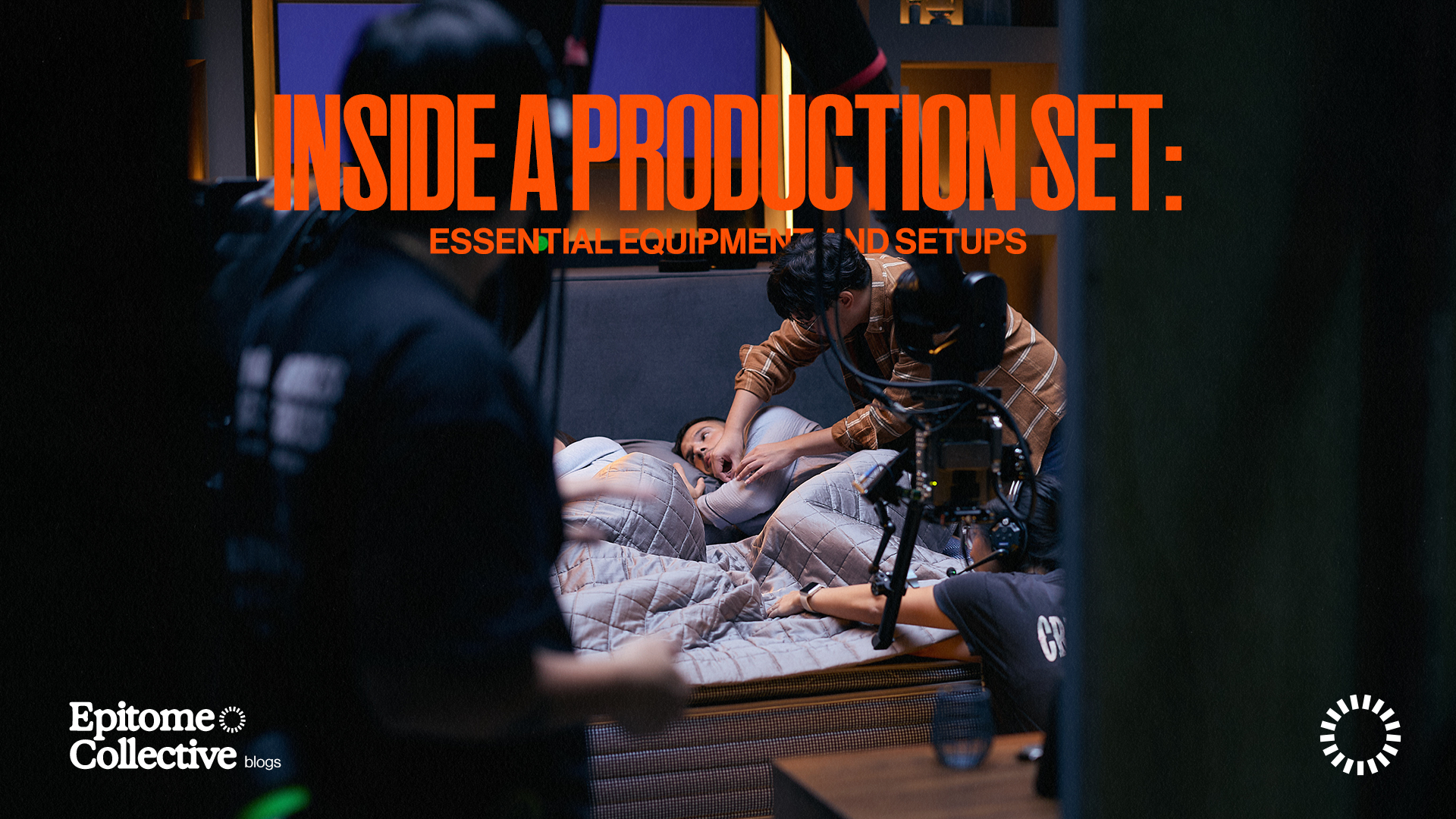
Walk onto a professional video set and you’ll see controlled chaos: cables snaking across the floor, lights on towering stands, crew members speaking in shorthand you don’t quite understand. It looks overwhelming, maybe even excessive. But here’s the truth: every piece of equipment you see has a specific job, and understanding the basics can save you thousands of dollars and countless headaches.
Whether you’re planning your first branded video, managing an agency shoot, or evaluating production partners, knowing what equipment does (and why it matters) helps you ask better questions, set realistic budgets, and avoid painful surprises.
This guide breaks down the essential equipment on a production set: cameras, lighting, sound, and the behind-the-scenes gear that makes everything work.
Table of Contents
- Why Production Equipment Is Actually a Strategic Decision
- Cameras: The Heart of Your Production
- Lighting: Where Good Video Becomes Great Video
- Audio: The Element Everyone Forgets
- The Invisible Backbone: Grip, Power, and Logistics
- What This Means for You
Equipment choices flow from the brief — see the full video production process in Singapore.
Why Production Equipment Is Actually a Strategic Decision
Here’s something most marketers don’t realize at first: production equipment isn’t just technical, it’s strategic.
The gear chosen for your shoot directly impacts three things you care about most: image quality that matches your brand standards, shooting speed that keeps you on schedule and on budget, and post-production requirements that can balloon costs if footage isn’t captured properly.
A poorly lit interview doesn’t just look unprofessional, it requires expensive color correction or might be unusable entirely. An unstable camera creates shaky footage that screams "amateur" to your audience. Understanding what’s essential helps you avoid two costly mistakes: over-speccing with gear you don’t need, and under-preparing with equipment that can’t deliver the quality you expect.
Cameras: The Heart of Your Production
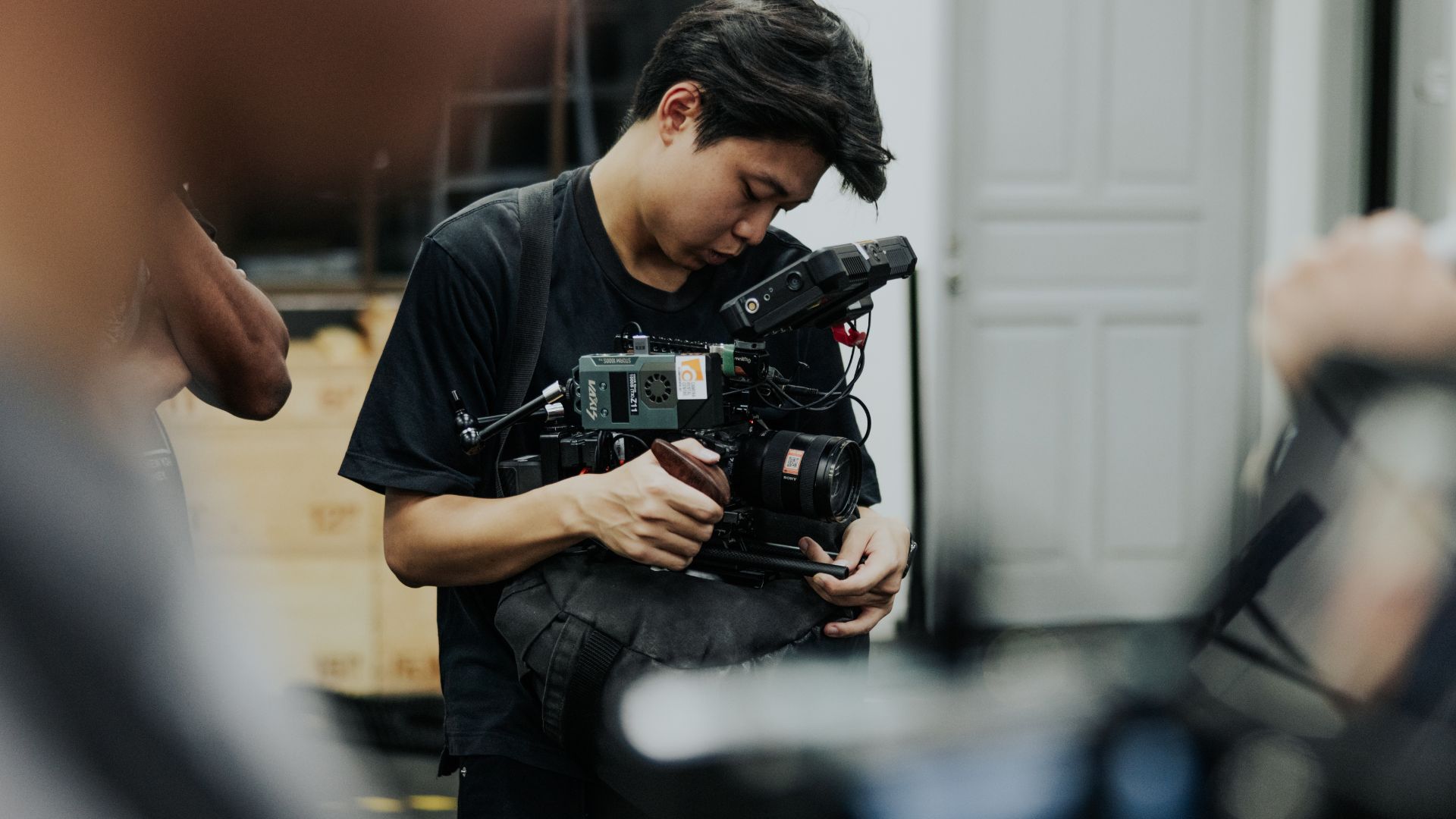
The camera is only as good as the entire system supporting it. The choices made here affect not just how your final video looks, but how quickly your crew can work and whether your footage holds up in post-production.
Cinema Cameras: When You Need Broadcast Quality
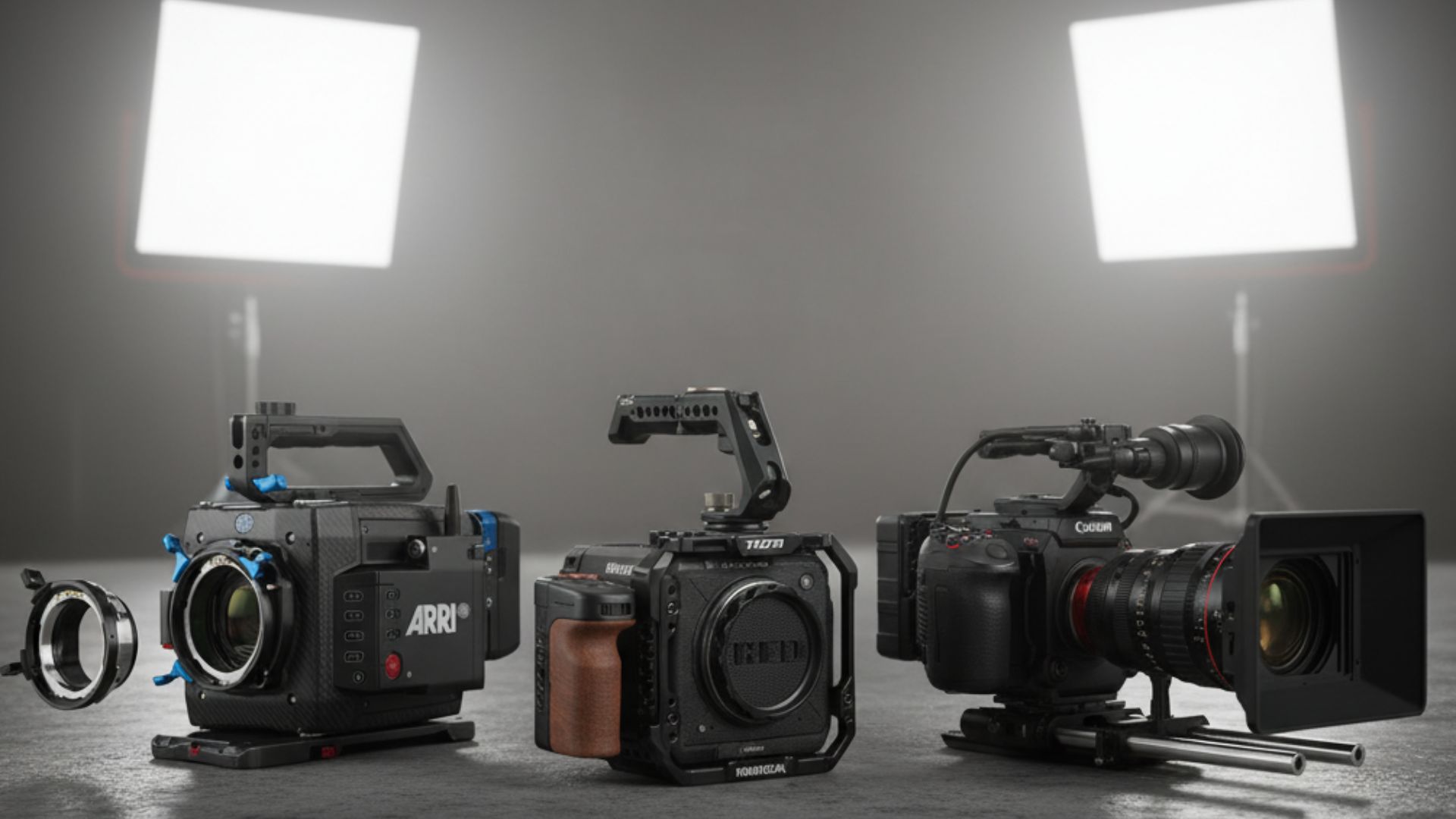
Your filming location often dictates the lighting and grip package.
ARRI Alexa Mini, RED Komodo, and Canon C300 Mark III are industry workhorses for high-end commercials and branded content. They deliver exceptional image quality, incredible flexibility in color grading, and that polished, cinematic look that makes viewers stop scrolling.
You’ll see these on TV commercials, brand hero films, and premium corporate videos where quality is non-negotiable. They come with higher crew costs and longer setup times, but they deliver results that justify premium pricing.
Mirrorless Systems: The Modern Workhorse
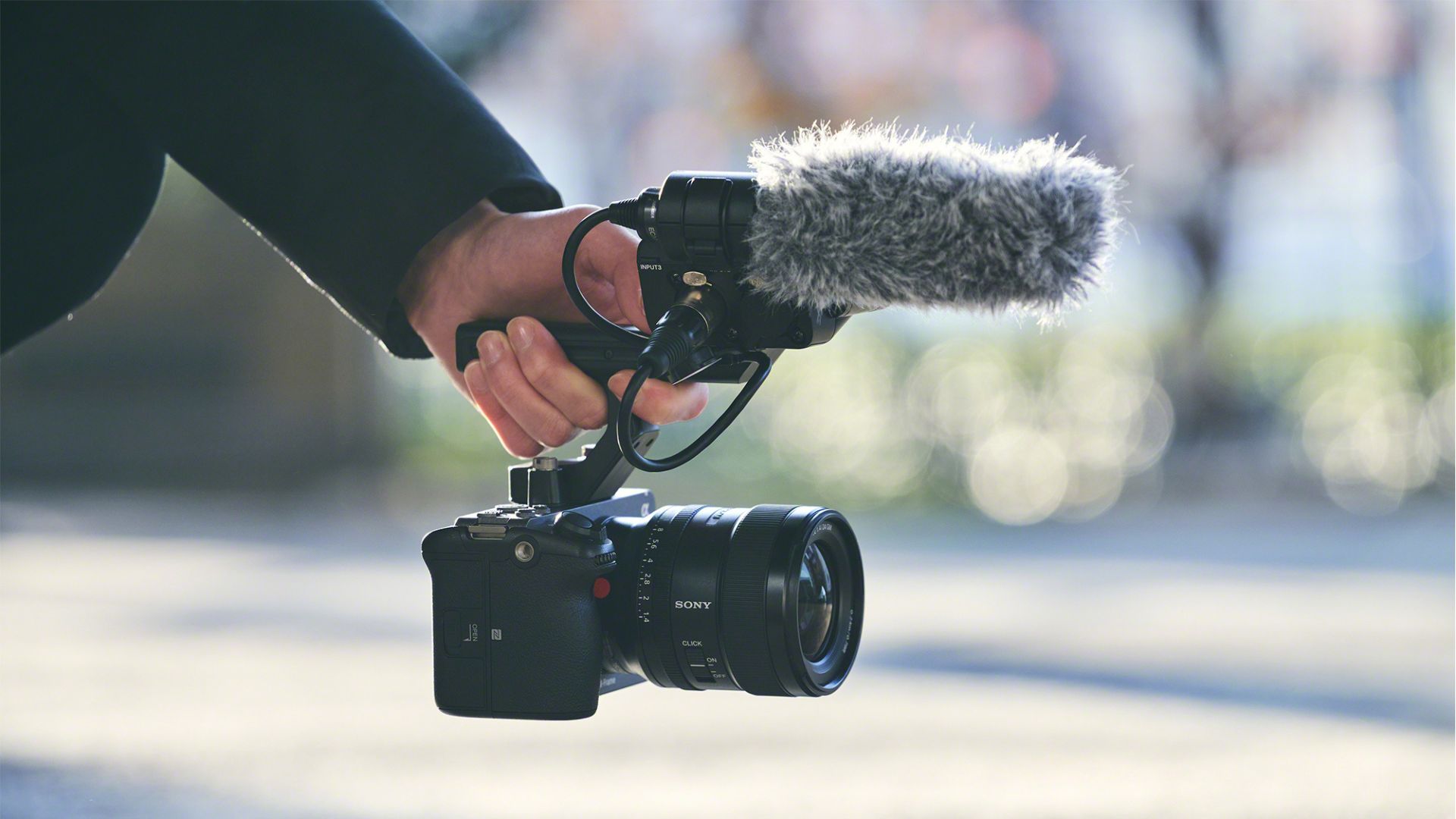
Cameras like the Sony FX3, Canon R5, and Panasonic S5 have revolutionized production. They’re lightweight, highly capable, and perform beautifully in challenging lighting. They offer built-in stabilization and allow crews to move quickly, perfect when you need multiple setups in a single day.
You’ll see these on corporate videos, social media content, web series, and most brand content. For most marketing videos, they’re the sweet spot between quality and efficiency.
Lenses and Camera Movement
The camera body is only half the equation. Prime lenses (35mm, 50mm, 85mm) deliver sharper images and perform better in low light, ideal for interviews and hero shots. Zoom lenses (24-70mm, 70-200mm) offer flexibility for fast-moving shoots.
Your Director of Photography leads these decisions, shaping the visual tone through lens selection and composition.
Camera movement adds professionalism. Tripods provide stability for interviews and product shots. Gimbals like the DJI Ronin create smooth, flowing movement for walkthroughs and lifestyle sequences. Sliders and dollies bring that classic film look with tracking shots and dramatic reveals.
Lighting: Where Good Video Becomes Great Video
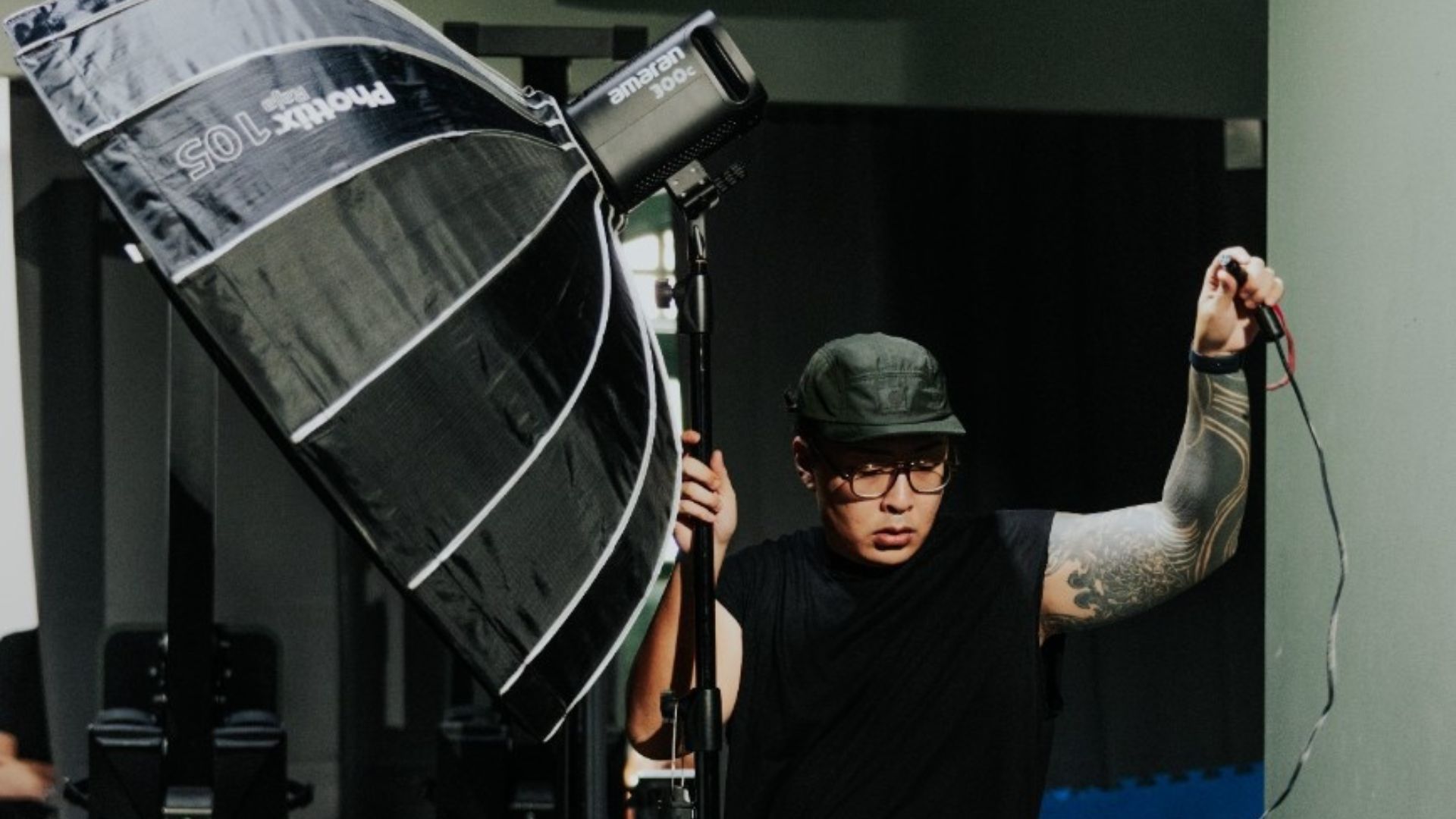
Lighting makes or breaks your video. It doesn’t just illuminate, it creates mood, shapes faces, adds depth, and signals professionalism to your viewers.
Gear is only as good as its operators; meet the crew roles on set behind each setup.
Essential Lighting Fixtures
LED panels like the Aputure 600D, ARRI SkyPanel, and Nanlite Forza are the modern standard. They’re portable, color-adjustable, and versatile enough for everything from interviews to commercial scenes. LEDs run cool, consume less power, and give your Director of Photography incredible control.
HMIs and tungsten lights are higher-powered fixtures used when you need serious intensity for outdoor shoots or large commercial sets.
Shaping the Light
Professional crews use modifiers to control light. Softboxes and diffusion soften harsh light for flattering portraits. Flags, barn doors, and cutters block or shape light so it only hits what you want. Bounce boards and reflectors fill in shadows without adding more fixtures.
Your Gaffer (chief lighting technician) orchestrates all of this, collaborating with the DoP to create the intended look. The Grip team handles the physical rigging.
When production companies present lighting packages, resist the urge to cut here. Poor lighting is impossible to fix in post-production and is the fastest way for your video to look cheap, regardless of how expensive your camera is.
Audio: The Element Everyone Forgets
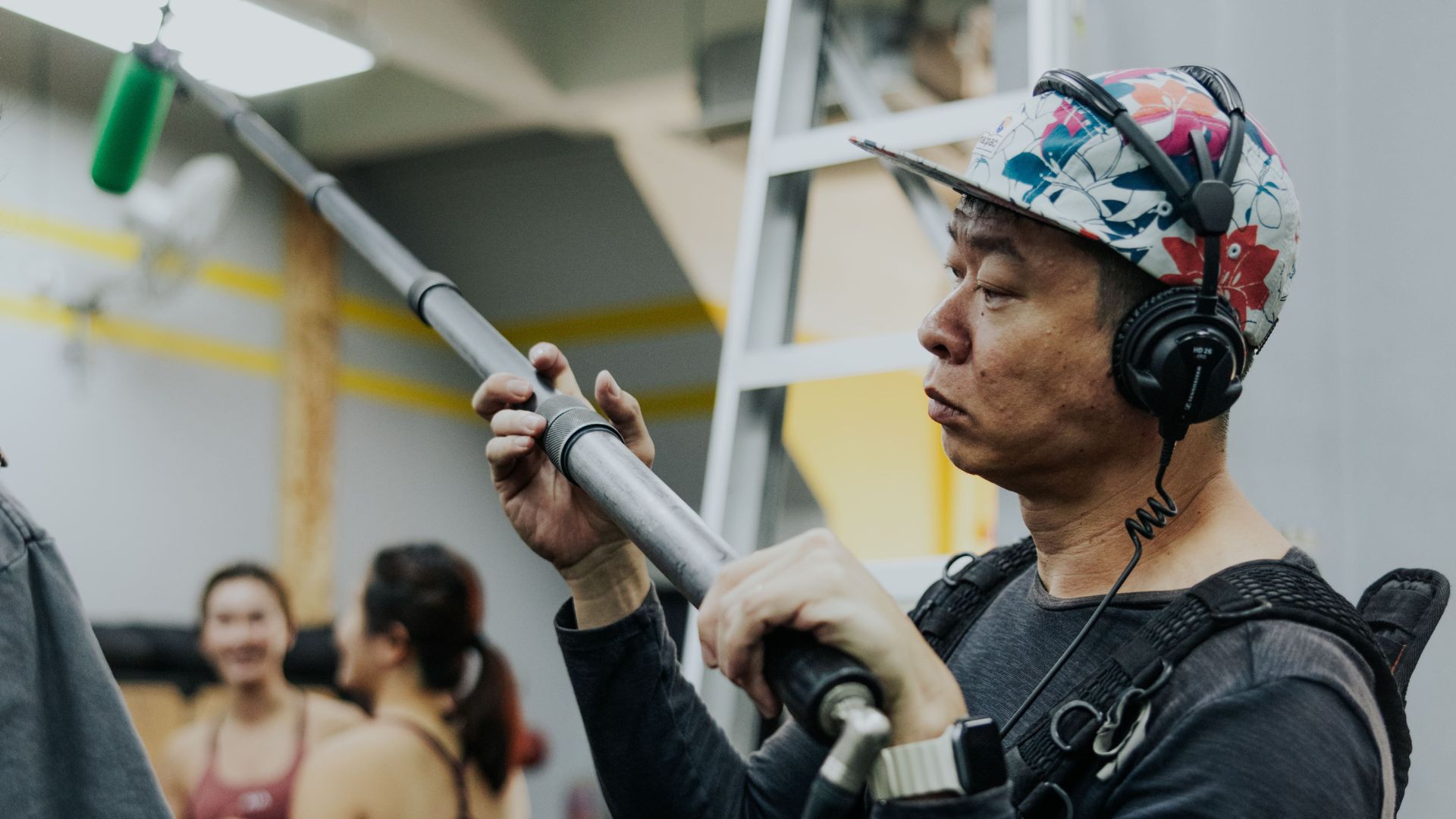
Audiences will tolerate mediocre visuals, but they’ll click away from bad audio in seconds. Crystal-clear sound is essential for interviews and dialogue-driven content.
Critical Audio Equipment
Boom microphones are shotgun mics on long poles that capture clean, directional audio. They’re the gold standard for clear dialogue while minimizing background noise. The Boom Operator positions them carefully to stay out of the shot while getting close enough for perfect sound.
Lavalier microphones are small, wireless clip-on mics used in corporate interviews or situations where a boom would be impractical. They deliver consistent voice pickup but require careful placement to avoid clothing rustle.
Field recorders like the Zoom F8n or Sound Devices MixPre handle multichannel recording and professional audio control. Your Audio Recordist manages these, adjusting levels and recording backup tracks as insurance.
Clean audio captured on set saves hours and real money in post-production. It also enables more natural performances from talent and ensures your content works across every platform from Instagram to broadcast.
The Invisible Backbone: Grip, Power, and Logistics
Beyond the camera, lights, and mics is the equipment you barely notice until something goes wrong.
Your Grip team handles all physical rigging and support systems. C-stands and clamps hold lights and reflectors in precise positions. Apple boxes level equipment or give talent a boost for better framing. Sandbags prevent expensive gear from tipping over. This isn’t optional, it’s critical safety protocol.
Power management is crucial, especially on location. Distribution boxes safely split power to multiple equipment. Extension runs allow flexible setup in large spaces. Generators are essential for outdoor shoots or venues without adequate power access.
Professional crews are meticulous about cable management and set organization. Video Village is where you’ll sit during the shoot, watching live feeds of what’s being captured. Behind every smooth production day is a grip or gaffer solving problems before they become visible issues.
What This Means for You

You don’t need to become a production expert to commission great video content, but understanding the essentials gives you real power. When a production company presents equipment lists or crew requirements, you’ll know what’s necessary versus what’s nice to have. You’ll understand why certain shoots cost more than others.
Most importantly, you’ll recognize that quality isn’t magic. It’s the result of the right equipment, skilled operators, and careful planning working together.
For a shoot-by-shoot breakdown, see the camera gadgets behind different shoot types.
Every camera choice, lighting setup, and audio configuration reflects a balance between creative vision and practical execution. A polished final product is built on clear planning, smart equipment choices, and a team that knows how to make every frame count.
If you’re planning video content and feeling overwhelmed by equipment decisions, that’s completely normal. The best production partners translate your vision into execution without unnecessary complexity, matching the right tools to your specific needs, not padding budgets with gear you don’t need.
At Epitome Collective, we help marketers navigate these choices with transparency. No jargon, no wasted budget, just the right equipment in the right hands delivering the quality your brand deserves.